
The Resilience of Modern Retail
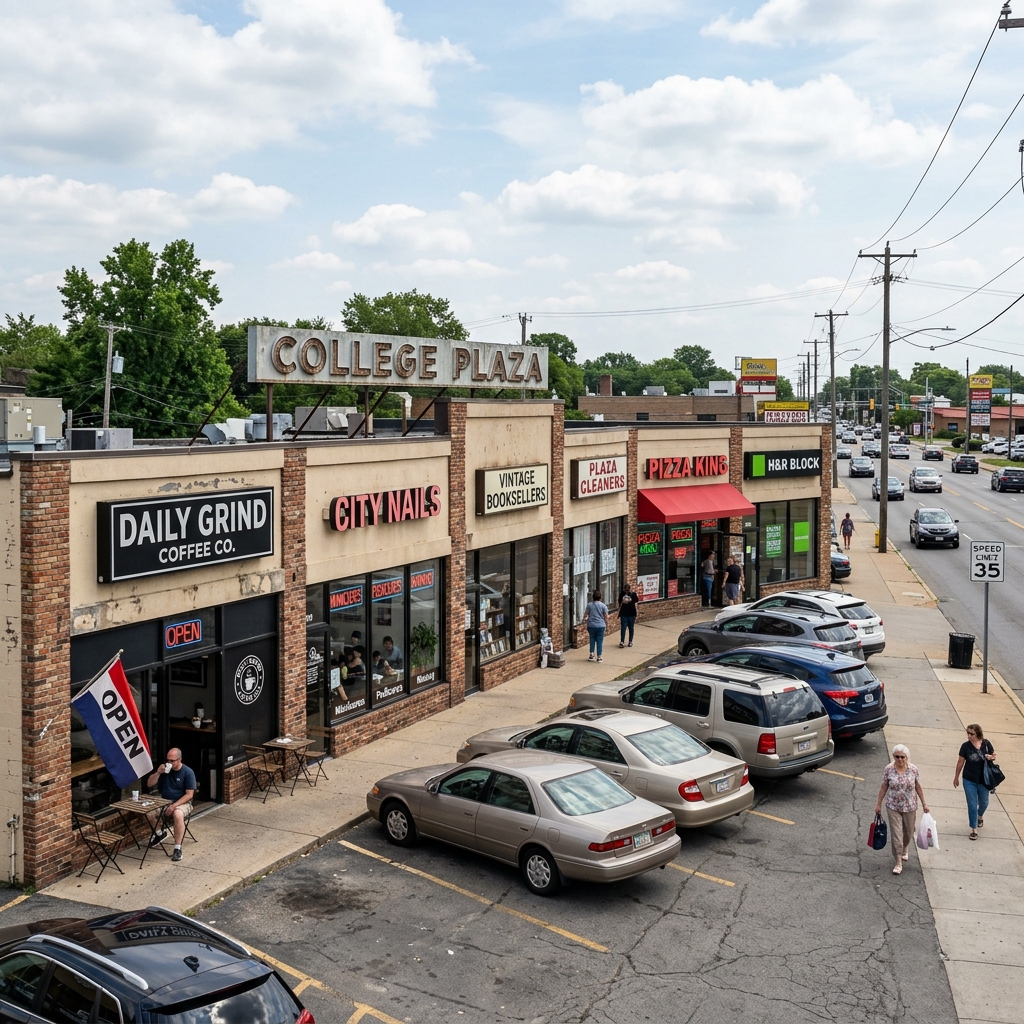
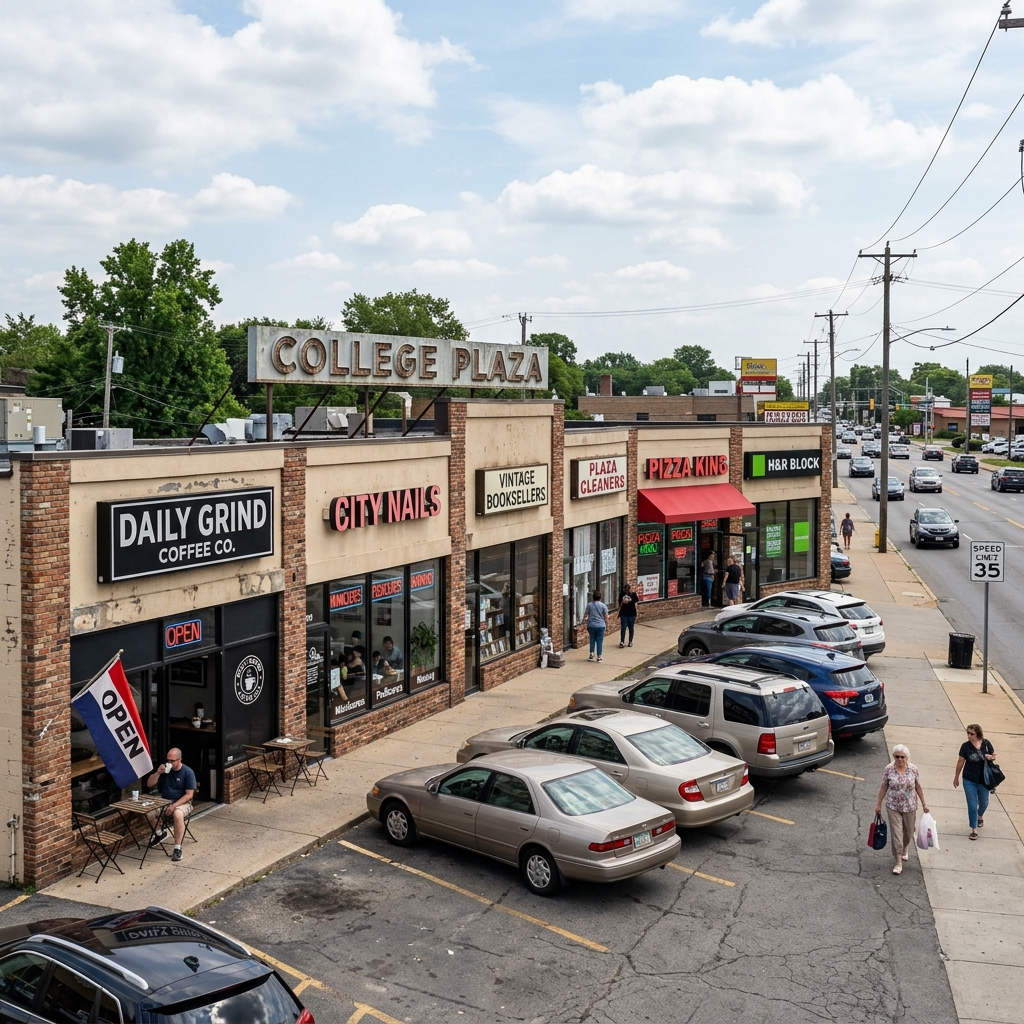
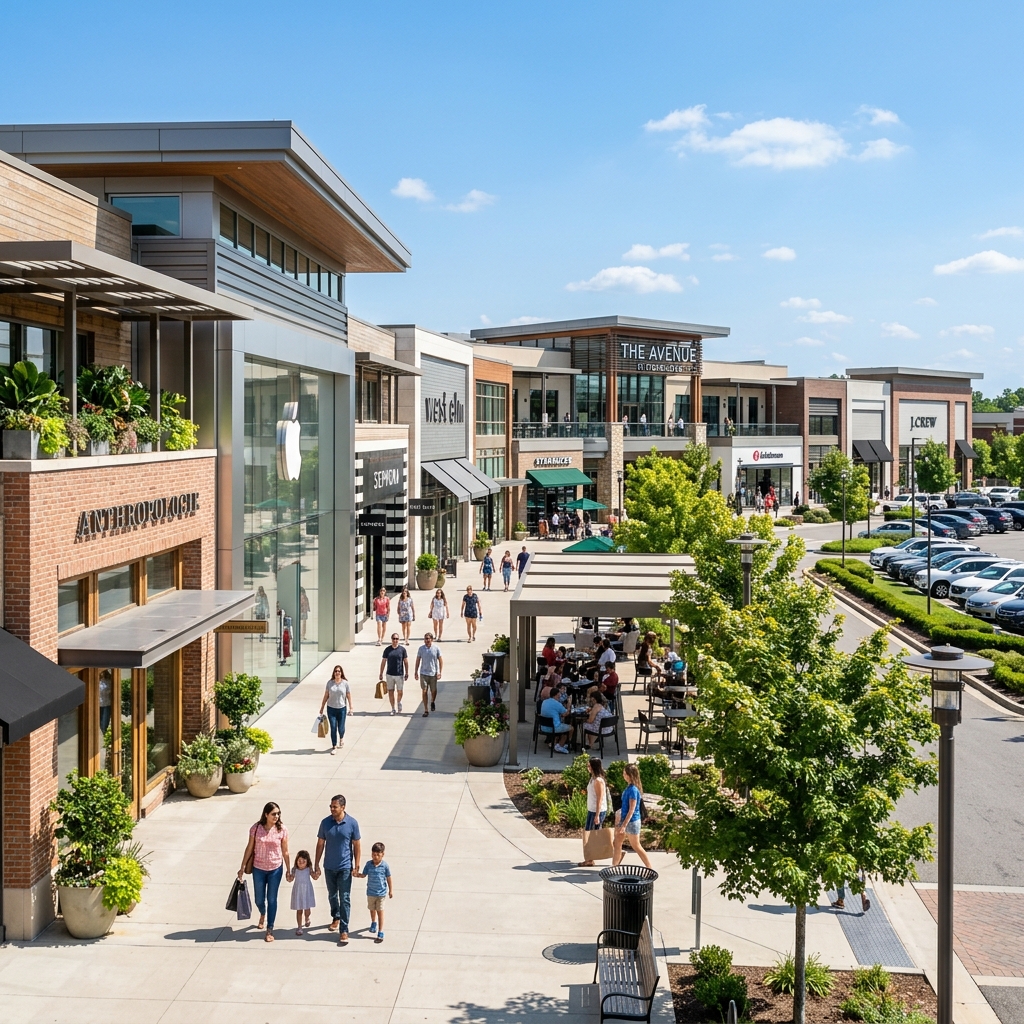
For years, headlines predicted the end of physical retail due to e-commerce. However, the reality of 2026 is much more nuanced. While lower-tier enclosed malls have undeniably suffered, open-air retail—specifically grocery-anchored centers, neighborhood strip malls, and single-tenant net-lease (STNL) properties—has proven incredibly resilient.
Why Investors Target Retail
Investors are drawn to retail for several compelling reasons:
1. Triple-Net (NNN) Leases: Retail tenants typically sign NNN leases, meaning they pay for their share of property taxes, insurance, and common area maintenance (CAM). This structure protects the landlord's yield from rising operating costs.
2. Long-Term Commitments: Retail businesses invest heavily in their build-outs (tenant improvements). Because moving is expensive and disrupts their customer base, successful retail tenants tend to renew their leases repeatedly, providing the landlord with long-term stability.
3. Synergy and Foot Traffic: In a well-curated shopping center, tenants feed off each other. A strong anchor (like a popular grocery store) draws daily traffic, which benefits the smaller inline tenants (like dry cleaners, coffee shops, and local restaurants).
Financing Retail Acquisitions
Lenders evaluate retail properties based on the Net Operating Income (NOI), the credit strength of the tenant roster, and the terms of the leases. A center anchored by a national credit tenant with long lease terms will command the most aggressive interest rates and highest leverage.
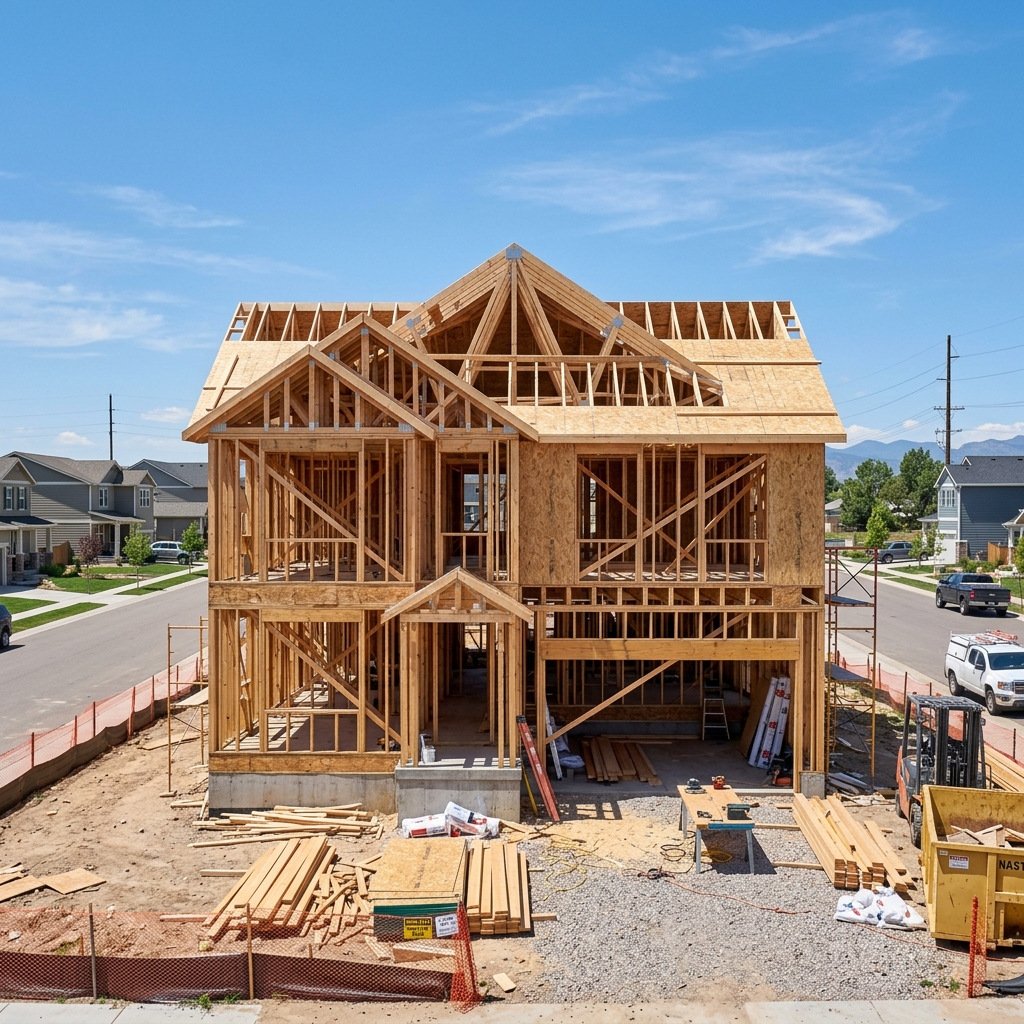
For transitional assets—such as a center that lost its anchor or requires a facelift—commercial bridge loans provide the short-term capital needed to execute the business plan before refinancing into permanent debt.