
Office in 2026: A Selective, Not Broad, Recovery
\nOffice is recovering in 2026, but selectively — the single most important fact for any investor to understand. Demand and rent growth are concentrated in high-quality Class A and trophy buildings, while older commodity space still faces high vacancy and pressure. Prime vacancy sits around 12.7% (Manhattan prime near 2.9%) even as the overall rate hovers near 18%. In office, the sector headline tells you almost nothing; the specific building, its quality, and its location tell you everything.
\n\nThe Flight to Quality
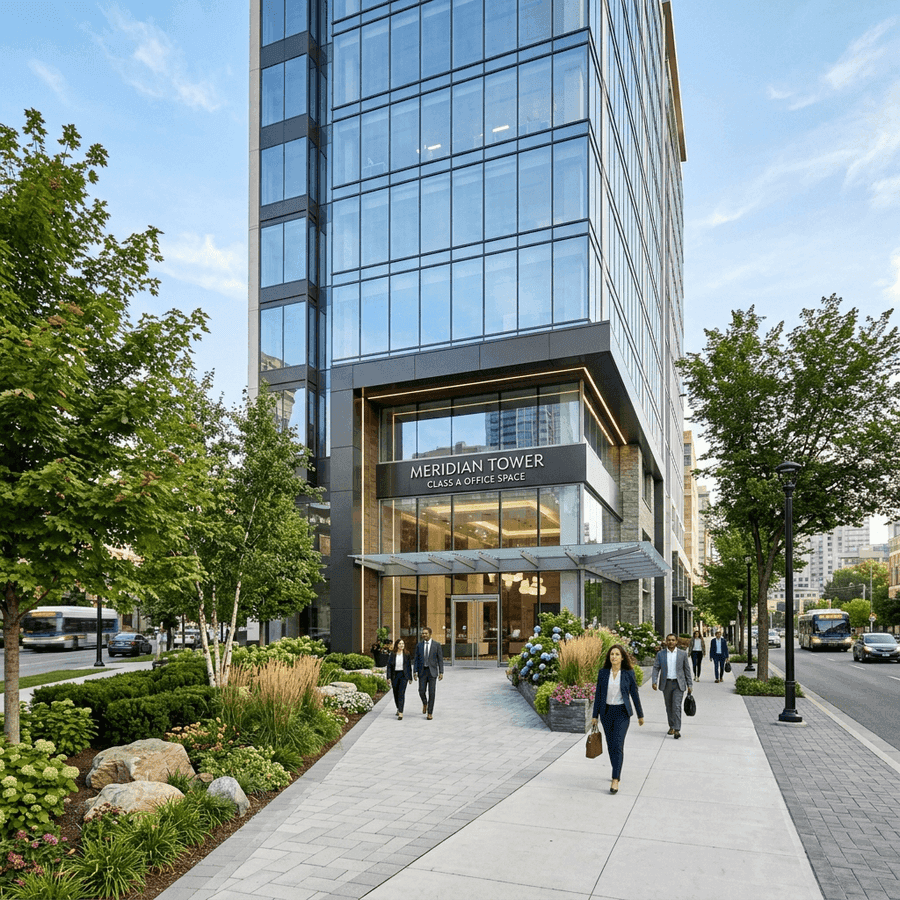
\nThe defining trend in office is the flight to quality: tenants are consolidating into the best buildings, and it's reshaping the market. About 80% of 2025 leasing was in Class A space, and trophy/Class A assets now command roughly a 50% rent premium over Class B. Companies are using premium, amenitized offices to attract talent and support in-person work, with top buildings in markets like Manhattan and Miami capturing record rents. For investors, this means quality isn't a preference — it's the core of the thesis.
\n\nThe Repriced-Opportunity Angle
\nThe clearest opportunity in office comes from repricing. Urban office prices are down roughly 50% from recent peaks, which gives investors a dramatically lower cost basis — enough, in some cases, to offset the higher cost of the amenities modern tenants expect. A well-located building bought at a deep discount, then upgraded or re-tenanted, can pencil in ways it never could at peak pricing. This is why capital is cautiously returning: investment activity has risen for seven straight quarters toward roughly $560 billion in 2026.
\n\nMedical Office: The Resilient Corner
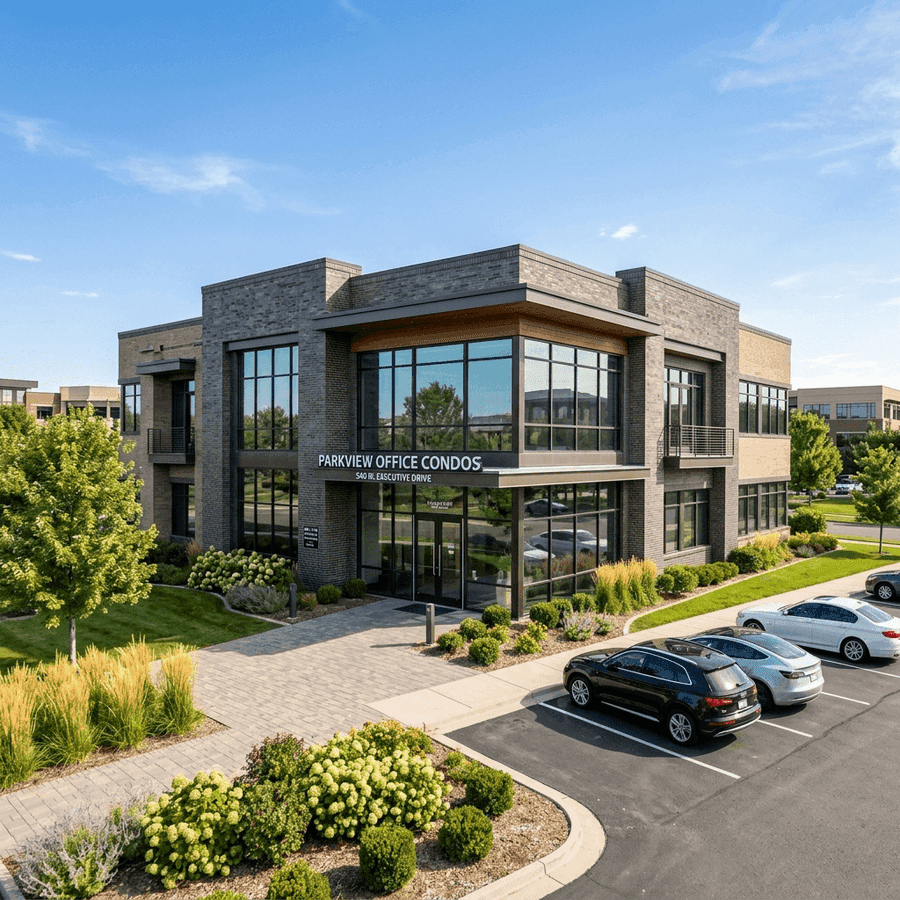
\nMedical office buildings (MOBs) are one of the most resilient parts of the office world, and worth knowing. Healthcare demand is needs-based and growing, medical tenants sign long leases and rarely relocate (their build-outs are expensive and patient relationships are local), and the shift toward outpatient and "live-work-play-health" settings is driving demand. For investors wary of traditional office risk, medical office offers much of the income with far less of the work-from-home exposure.
\n\nAdaptive Reuse: Turning Obsolete Office Into Housing
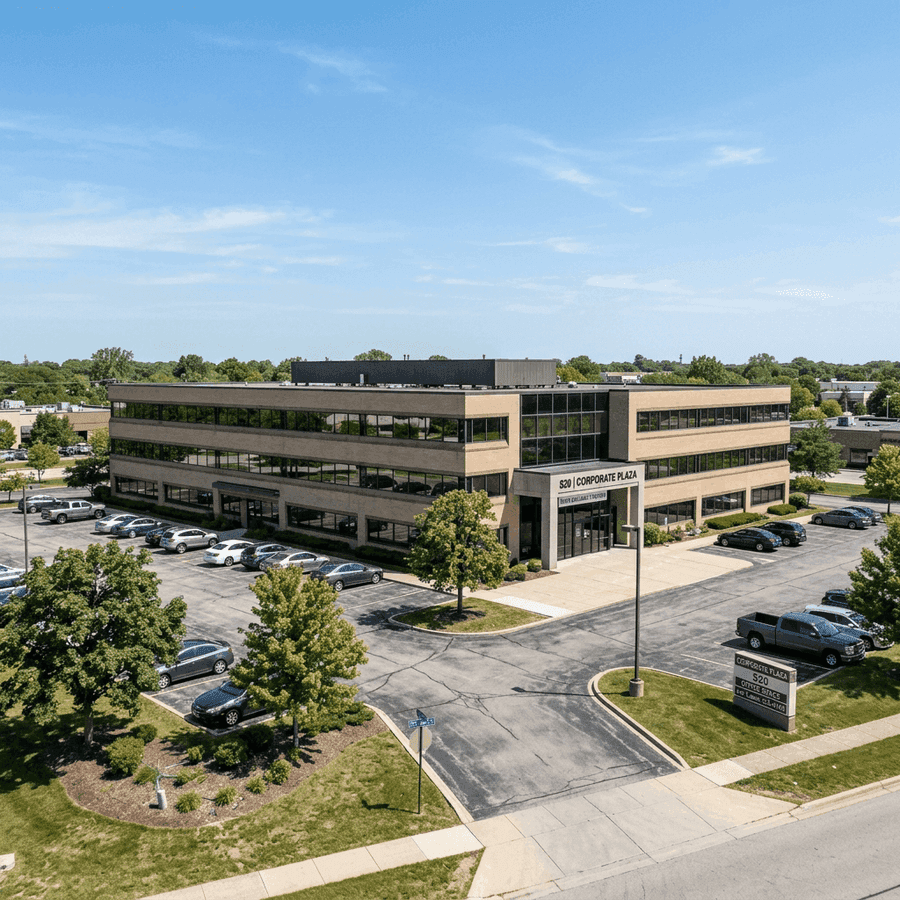
\nOne reason office fundamentals are improving is that obsolete space is being removed through conversion. Office inventory has contracted in most markets since 2024 as outdated Class B/C buildings are converted to apartments or mixed-use or demolished — which reduces supply and helps the remaining stock. Conversions are complex and not every building qualifies, but for the right asset in the right location, adaptive reuse can turn a struggling office into in-demand housing.
\n\nHow Office Is Financed
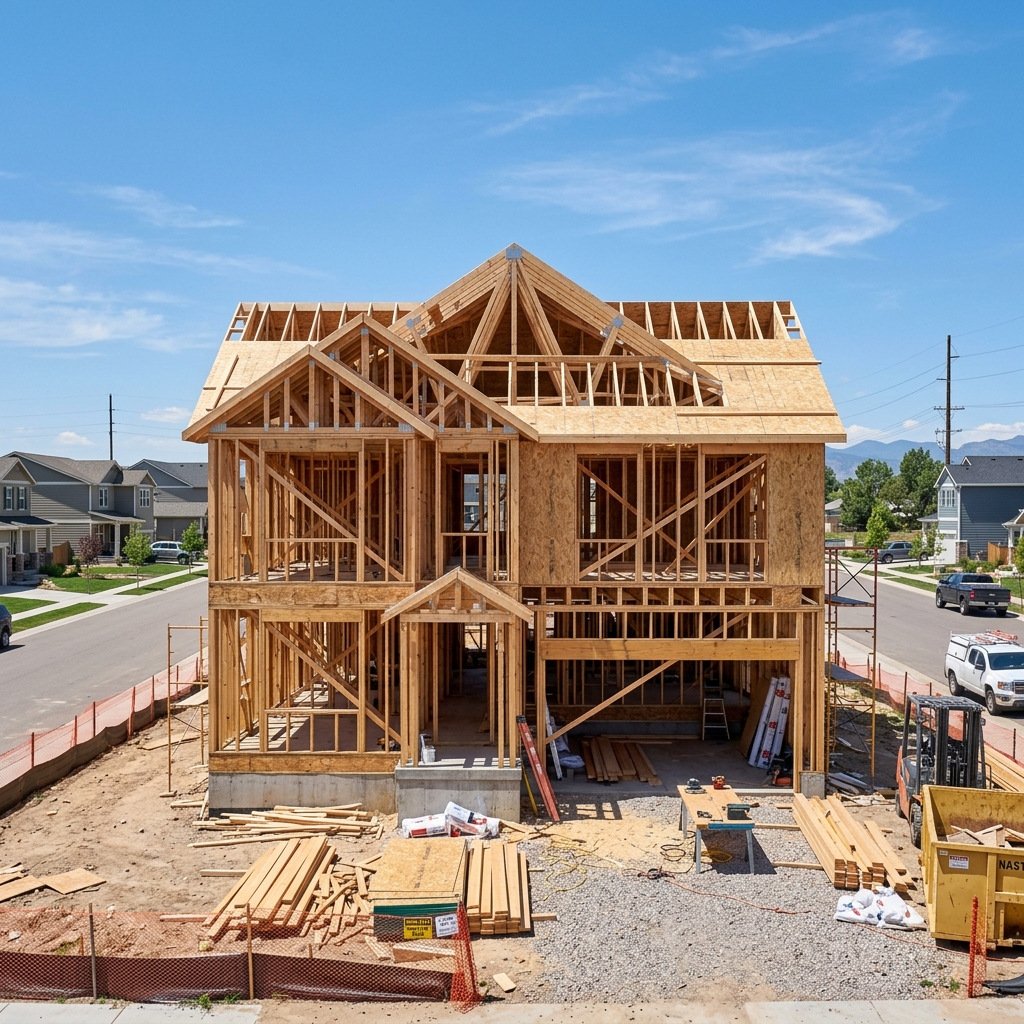
\nOffice financing in 2026 is highly asset-specific, and lenders underwrite the building, not the sector. A trophy or Class A asset in a strong market with quality tenants is a very different financing conversation than a dated suburban building with high vacancy — and lenders price them worlds apart. Repositioning and conversion plays are typically financed with bridge or construction loans and refinanced once stabilized, while owner-occupants can use SBA financing to buy their own office. Because underwriting is strict and selective, having the deal packaged and matched to the right lender matters more here than almost anywhere. (See the linked financing pages for details.)