
Why Investors Buy Land
Land is one of the most hands-off real estate assets because it needs no tenants, little maintenance, and no management, while offering strong long-term appreciation. Historically, land has delivered roughly 10% or more in average annual returns with less volatility than the stock market, and as a finite, tangible asset it serves as an inflation hedge. For investors who want real estate exposure without the operational work of managing a building, land is the purest form of the asset.
Value by Stage: Raw, Entitled, Development-Ready
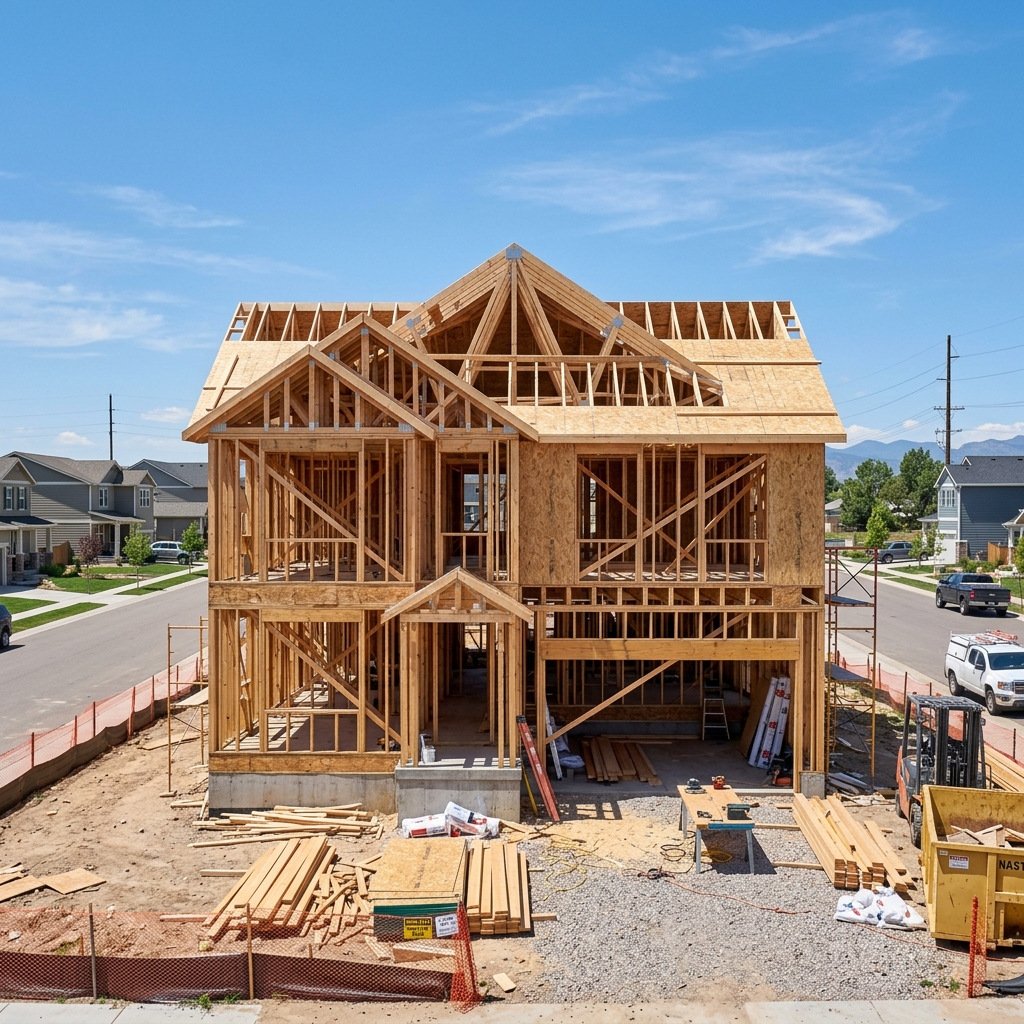
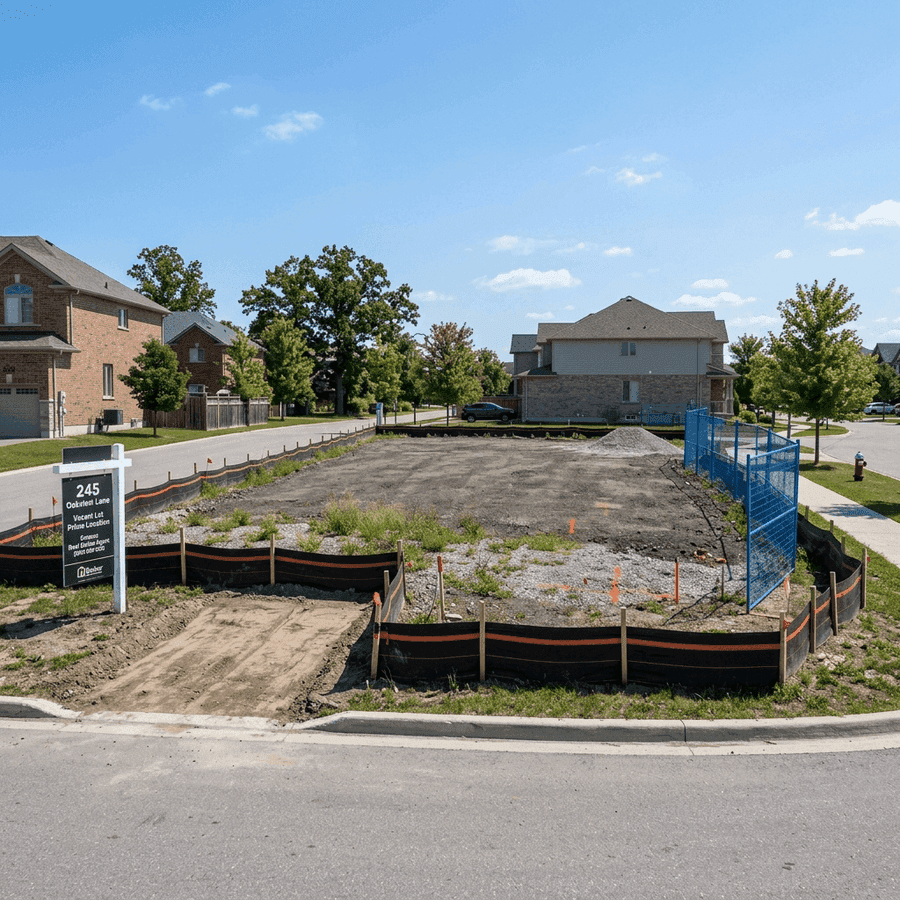
The single biggest driver of land value is its stage of development. Raw, unentitled land is the cheapest and hardest to finance; entitled land — with approved zoning, plans, or permits — is worth substantially more because a builder can act on it; and development-ready land, with utilities and infrastructure in place, commands the most. Moving a parcel from one stage to the next is exactly how land investors force value, and it's the core of the most profitable land strategy.
The Entitlement Play: Land's Biggest Value-Add
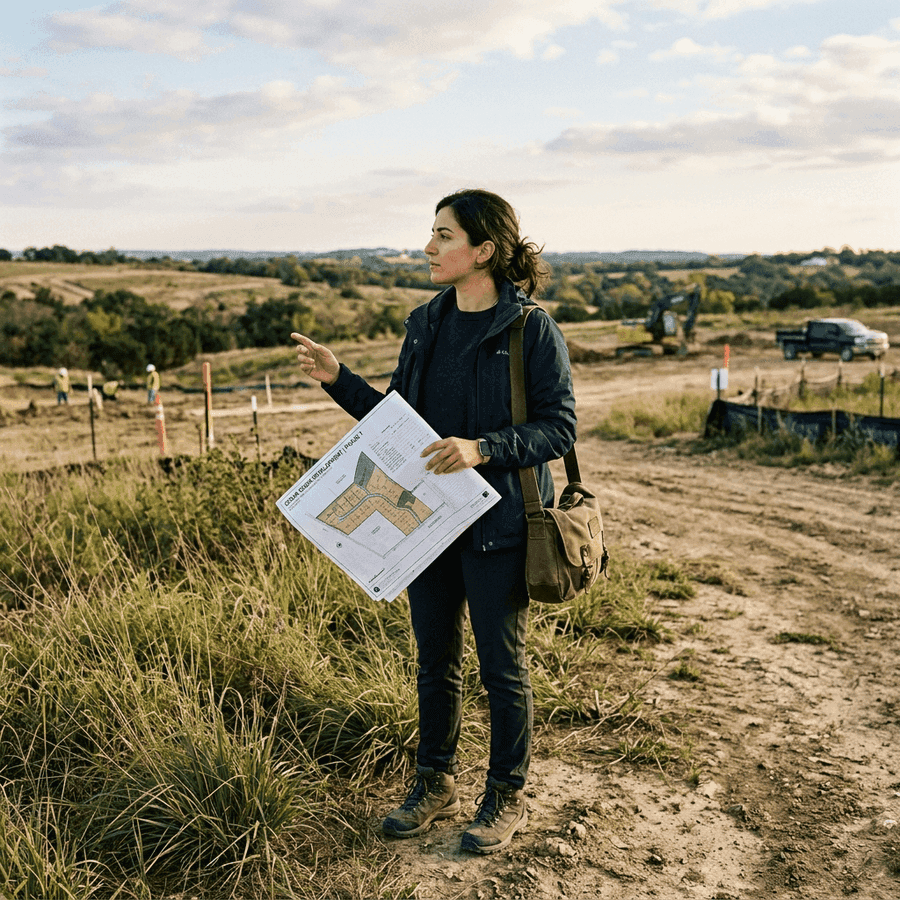
The entitlement play is the headline way to make outsized returns on land, and it requires no construction. An investor buys raw land, invests in the approvals — rezoning, entitlements, plans, and permits — and sells the fully approved parcel to a developer for a large gain. One illustration from the industry: buy raw land for about $500,000, spend roughly $150,000 on entitlement, and sell the approved project near $1.2 million — a 20% to 35% annual return with no building, no tenants, and no interest-rate exposure. It's a bet on regulatory approval and appreciation with a clear exit.
The Path of Growth: Where Land Appreciates
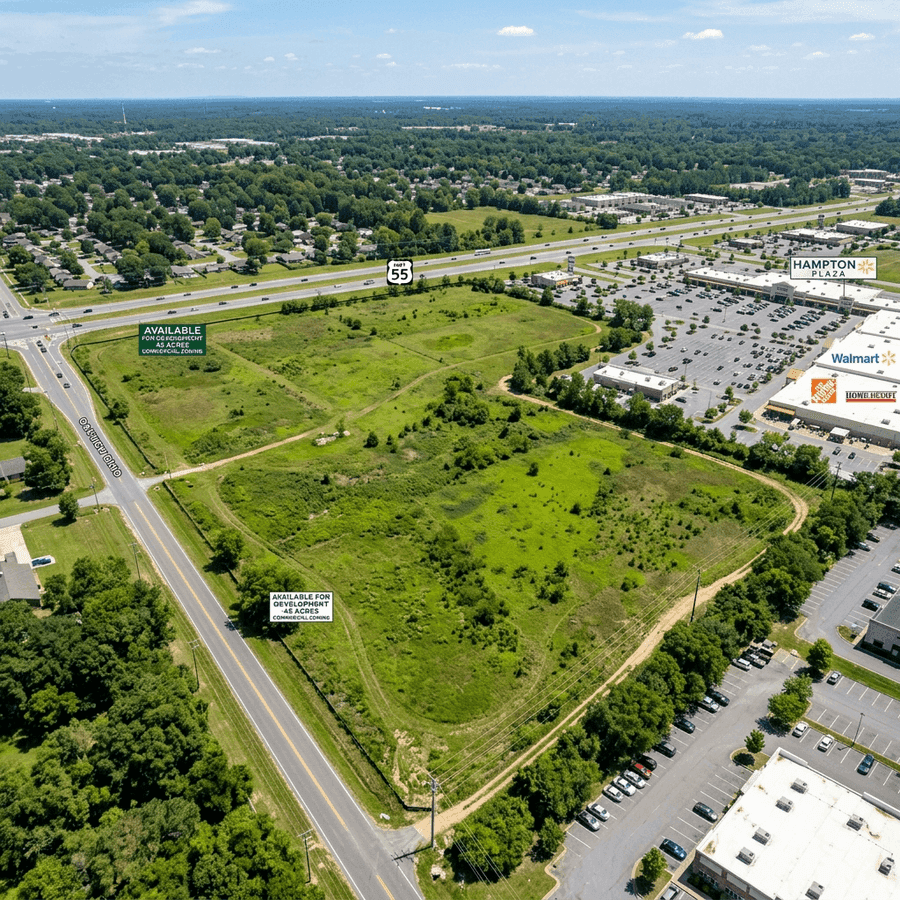
Land values follow people, so the key to appreciation is buying in the path of growth. As a region's population rises through job creation or migration, development pressure spreads outward from the metro core, and raw land on the fringe appreciates as roads, utilities, and rooftops move toward it. Infrastructure is a major catalyst — a new highway or utility line can transform a remote parcel's value — and broadband expansion has lifted rural land as remote work made those areas more viable. The skill is buying where growth is heading, then holding until it arrives.
Land Banking: Buy Early, Hold, and Let Growth Come
Land banking is the buy-and-hold strategy of acquiring land before an area develops and holding it through the growth cycle. Because carrying costs are low, an investor can hold a parcel for years — most land investors think in 5-to-15-year horizons — while development pressure builds around it. Investors who buy when an area is still remote and hold until infrastructure arrives have historically seen the strongest returns, which is why patience is the land banker's main tool.
How Land Is Financed
Land is financed based on its stage, and it's the hardest real estate to borrow against because it produces no income. Raw land is typically financed to about 50% of value, entitled land up to around 65%, and development-ready parcels roll into construction financing. Because leverage is lower and lenders are selective, the right lender for a land deal depends heavily on the parcel's stage and plan. Existing land equity can also count toward a future construction loan. (See the Land & Development Loans page for financing detail.)