
SPECIAL OFFERHard money loans starting at 9.99%Learn More >
Property Types

Industrial & Warehouse Investing: How to Profit From Logistics Real Estate (2026 Guide)

Industrial and warehouse property — the buildings that store, sort, and ship the goods behind the economy — has been the top-performing commercial real estate sector for several years running. Bought through an entity for business purposes, it produces stable, often long-lease income and is valued on the property's cash flow rather than your personal income.

Nationwide
Lending
Fast
Decision
Secure &
Confidential
FOR COMMERCIAL AND VALUE-ADD INVESTORS.
Nationwide
Lending
Fast
Decision
Secure &
Confidential
FOR COMMERCIAL AND VALUE-ADD INVESTORS.
Step 1 of 2

Check Eligibility

For Your Next Real Estate Project

Soft credit pull only — won't affect your score

256-Bit SSL Encryption & Privacy Protected

No obligation • Response within 24 hours

What Is Industrial & Warehouse?

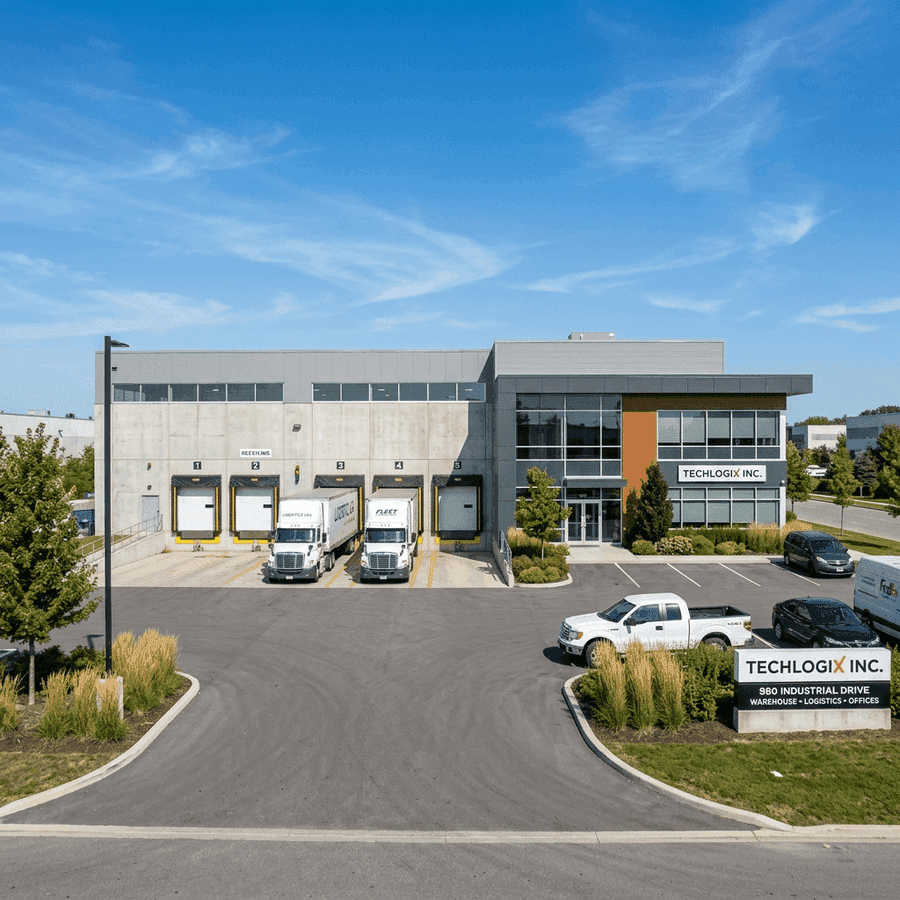
Industrial and warehouse real estate is property used to store, manufacture, distribute, or move goods — including distribution warehouses, small-bay flex space, light manufacturing, and logistics facilities. As an investment, it's held in an entity and valued on its net operating income, and it's known for long leases, low management intensity, and tenants who sign multi-year commitments. It splits into two very different worlds: big-box distribution (100,000+ SF) and small-bay industrial.
What Is Industrial & Warehouse?

What You Can Do With It

Industrial gives an investor several ways to build income and value — here's what you can do, and where to learn how each is financed.

StrategyWhat It MeansLearn More
Buy & Hold (Net Lease)Own a leased warehouse for stable, long-term incomeCommercial Real Estate Loans
Value-Add / RepositionUpgrade or re-tenant an older or partly vacant buildingRenovation & Value-Add / Commercial Bridge
Small-Bay / Multi-TenantOwn flex space with multiple smaller tenantsCommercial Real Estate Loans
Buy Fast, Stabilize, RefinanceBridge a transitional asset, lease it, refinance permanentBridge-to-Permanent
Owner-Occupied (Your Business)Buy the warehouse your own business operates fromSBA Real Estate Financing
1031 Into IndustrialTrade into a warehouse to defer capital gains1031 Exchange Financing

Industrial Market Snapshot (2026)

Industrial has been one of the strongest corners of commercial real estate — here's why investors keep targeting it (20252026 data).

The top-performing sectorIndustrial has been the best-performing commercial property sector for several years running (WareCRE)
Demand is acceleratingQ1 2026 leasing activity reached 145.2 million SF, up 17.8% year-over-year (industry data)
Fewer new competitorsNew construction is at a ~10-year low, down ~42% from 2024 (industry data)
Serhii Sarkisov
Written by Serhii Sarkisov
Capwell Capital — Commercial Real Estate Loan Broker (Capwell Capital DBA, TX)
Last updated: August 2026

Why Industrial Real Estate Remains a Core Holding

Over the last decade, the shift toward e-commerce and optimized supply chains has fundamentally changed how goods move, elevating industrial and warehouse properties from basic storage to mission-critical infrastructure. Unlike office or retail spaces that require heavy tenant improvements and constant aesthetic upgrades, industrial properties are valued for their utility: clear height, dock doors, power capacity, and highway access.

Key Insight: For commercial real estate investors, industrial assets offer some of the most stable and predictable cash flows available. Tenants — ranging from local distributors and light manufacturers to national logistics giants — typically sign long-term, triple-net (NNN) leases, meaning they bear the costs of property taxes, insurance, and maintenance. This passes the inflationary burden of operating expenses to the tenant, preserving the owner's net operating income (NOI).

The Two Main Arenas: Big-Box vs. Small-Bay

When investing in industrial real estate, the market generally splits into two distinct categories, each with its own capital requirements and tenant dynamics:

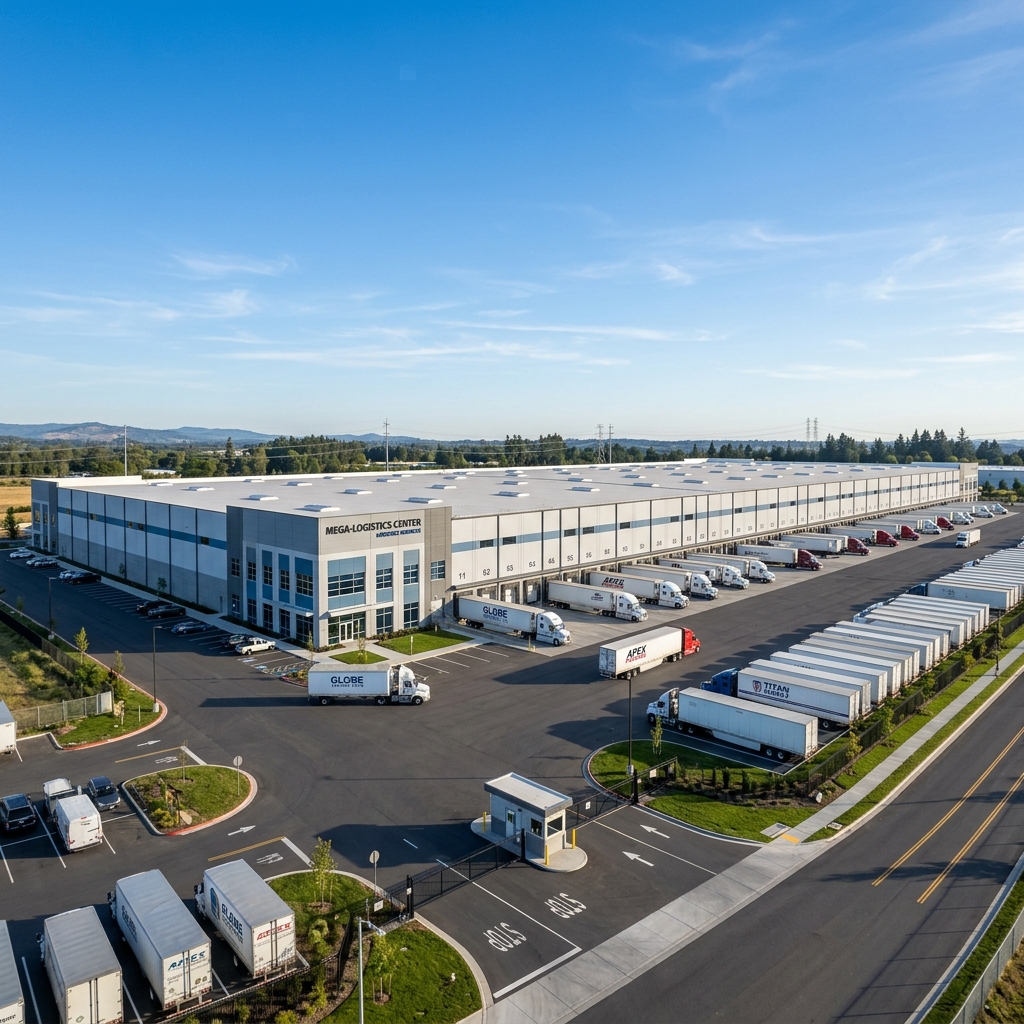
1. **Big-Box Distribution & Logistics**: These are the massive, 100,000+ square foot facilities utilized by major retailers and third-party logistics (3PL) companies. They require significant capital to acquire and are highly sensitive to global supply chain trends.

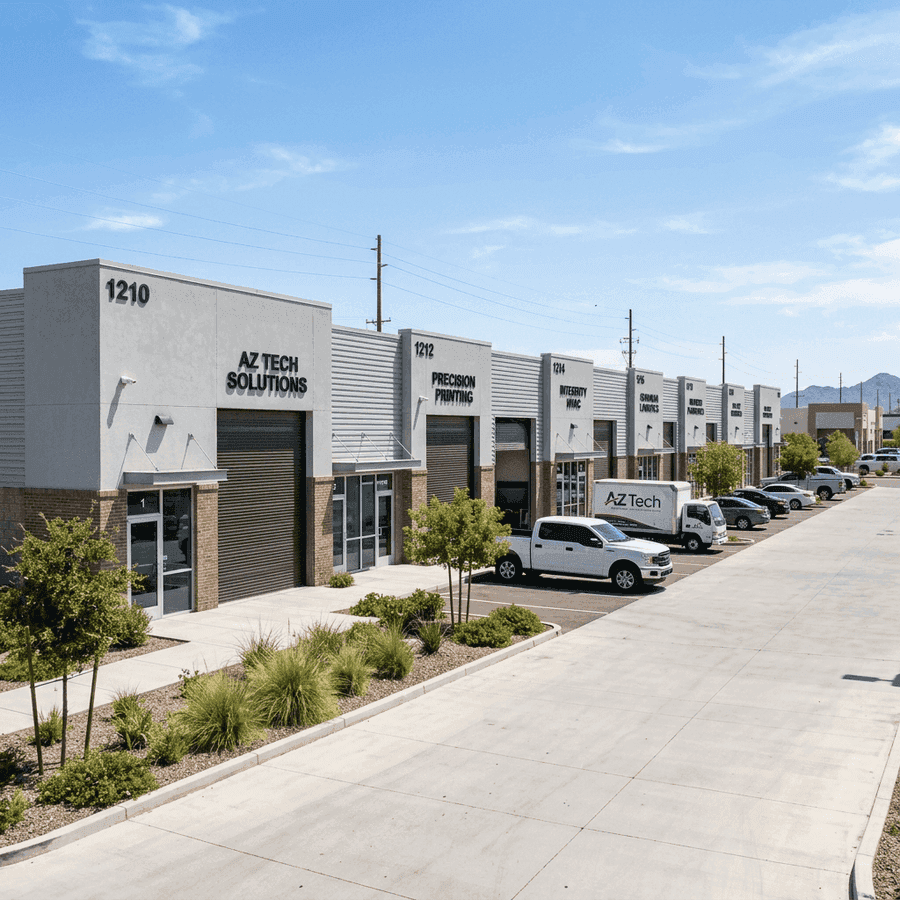
2. **Small-Bay / Multi-Tenant Flex**: These are smaller units (often 2,000 to 10,000 square feet) grouped in a single complex. They cater to local businesses — plumbers, HVAC contractors, auto repair, and small manufacturers. Small-bay properties offer incredible diversification; if one tenant leaves, the impact on overall cash flow is minimal, and demand for this space heavily outpaces supply due to the high cost of constructing new small-bay facilities.

Whether you are looking to acquire a single-tenant net-leased warehouse or a multi-tenant flex park, financing is readily available for both stabilized acquisitions and value-add repositioning.

Real-World Examples

Profile

The small-bay flex park acquisition

Mark found an older, 40,000 SF multi-tenant industrial park outside the city. Rents hadn't been raised in a decade, and deferred maintenance was piling up. He acquired it using a commercial bridge loan covering 75% of the purchase and 100% of the renovation costs. After repaving the lot, upgrading the roll-up doors, and bringing rents to market as leases rolled over, he increased the NOI by 40%. He then refinanced into a long-term, permanent commercial loan, locking in substantial cash flow.

The small-bay flex park acquisition
Profile

The owner-user warehouse purchase

Sarah owned a growing HVAC business that was outgrowing its leased space. Instead of signing a new, more expensive lease, she used SBA 504 financing to purchase a $2 million warehouse with just 10% down. By occupying 51% of the building and leasing the rest to another contractor, the rental income covers half her mortgage. She stopped paying her landlord and started building her own equity.

The owner-user warehouse purchase

Illustrative examples using typical 2026 market rates — not actual Capwell clients, and not an offer or a guaranteed rate. Your terms depend on the property, equity, and profile.

How It Plays Out

David had been investing in residential rentals for years but was exhausted by the constant turnover, midnight maintenance calls, and emotional tenant disputes. He wanted a passive, commercial asset and set his sights on a single-tenant warehouse leased to a regional plumbing supplier.

The transition required a mindset shift: instead of evaluating school districts and kitchen counters, he had to evaluate the tenant's corporate financials, the roof condition, and the specifics of the triple-net lease. Working with his broker and lender, he verified the tenant's creditworthiness and secured a long-term commercial mortgage.

Today, he receives a single rent check every month while the tenant handles all property upkeep — giving him the truly passive income he was seeking.

How It Plays Out

Access More Financing for Your Project

We help identify and present the full value of your project so all eligible costs and existing equity can be considered.

Step 1 of 2

Check Eligibility

For Your Next Real Estate Project

Soft credit pull only — won't affect your score

256-Bit SSL Encryption & Privacy Protected

No obligation • Response within 24 hours

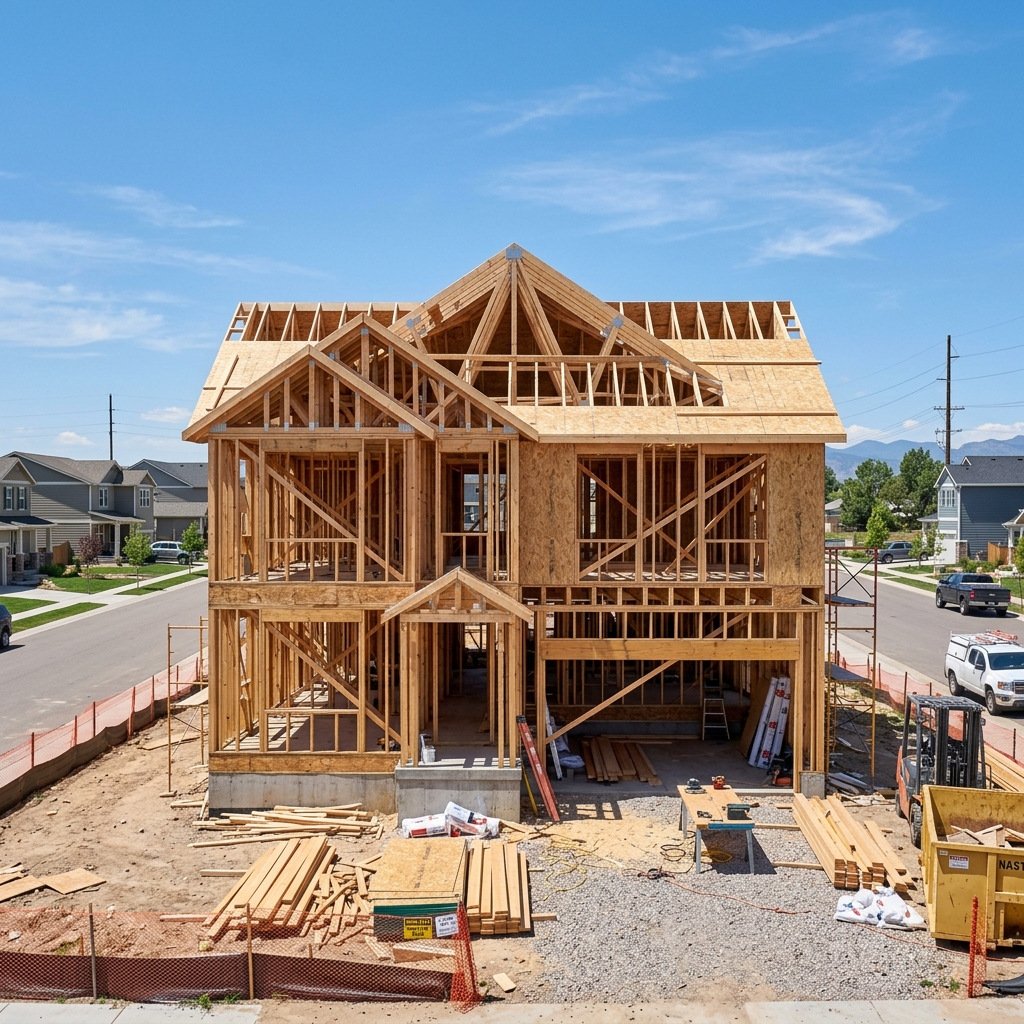
House under construction
Land value and existing land equity
Approved plans and permits
Architecture, engineering, and eligible soft costs
Site preparation and completed construction work
Remaining vertical construction budget
Completed value or stabilized property value

Tips

These are general pointers investors commonly raise, not rules — every deal is different, and none of this is financial, legal, or tax advice.

1

Focus on clear heights and dock doors

These are the two most critical physical attributes for industrial tenants. More volume and easier access mean higher rents.

2

Never skip the Phase I ESA

Environmental cleanup costs can wipe out your investment. Always hire a professional to assess historical use.

3

Understand the roof liability

In industrial, the roof is the single largest maintenance expense. Know exactly who is responsible for its replacement in the lease.

4

Look for limited competing land

Warehouses in dense, infill locations with no room for new construction command a premium because supply is physically constrained.

The above is general information to help you ask better questions — not financial, legal, or tax advice, and not a recommendation to take any specific action. Decide what's right for your situation and consult your own advisors.

Free Investor Guide

Free Investor Guide

Maximize Your Returns & Reduce Your Capital Costs

Download our free guide on how to structure your real estate investments, secure better financing terms, and efficiently extract cash from your properties.

By submitting this information, you confirm that: (i) the information provided by you is accurate; (ii) you consent to receive our guide via email; and (iii) you agree that the information you are providing is subject to Capwell's Privacy Policy and Terms of Use.

Frequently Asked Questions

What makes industrial real estate a good investment?
What is a Triple-Net (NNN) lease?
What is small-bay or flex industrial?
How do lenders evaluate an industrial property?
Can I use an SBA loan for an industrial building?

Ready to Fund Your Deal?

Submit your property details and let our team structure the optimal capital stack for your project.